Best Fuel-Efficient Cargo Vans for Businesses in 2026
23rd Jun 2026
For tradespeople and commercial businesses, a cargo van is one of the biggest ongoing costs in the business. Choosing the right one — and setting it up efficiently — can make a meaningful difference to daily running costs over the course of a year.

This guide compares the most fuel-efficient cargo vans for commercial use in 2026, covering real-world MPG, operational trade-offs, and how payload weight and van setup affect fuel consumption on the road.
The most fuel-efficient cargo vans in 2026
Here’s how some of the most commonly used commercial vans compare in 2026:
|
Van Model |
Fuel Type |
Estimated MPG* |
Strong Fit For |
|
Mercedes-Benz Sprinter (2500) |
Diesel |
17–22 MPG |
Heavy loads, high-mileage routes |
|
RAM ProMaster (1500 / 2500) |
Gas |
14–18 MPG |
Urban routes, last-mile logistics |
|
Ford Transit (T-150 / T-250) |
Gas |
14–18 MPG |
Trades, service fleets, regional delivery |
|
Chevy Express (2500 / 3500) |
Gas |
12–16 MPG |
Contractors, jobsite-heavy work |
*Estimated MPG varies depending on engine configuration, payload weight, driving conditions, roof height, and vehicle setup.
Real-world cargo van performance
The most fuel-efficient cargo van for one business may not be the best fit for another. Payload requirements, route type, cargo access, and daily driving conditions all affect how efficiently a van performs in real-world commercial use.
Below is a closer look at how some of the most commonly used commercial vans compare for fuel efficiency, operational practicality, and day-to-day trade use.
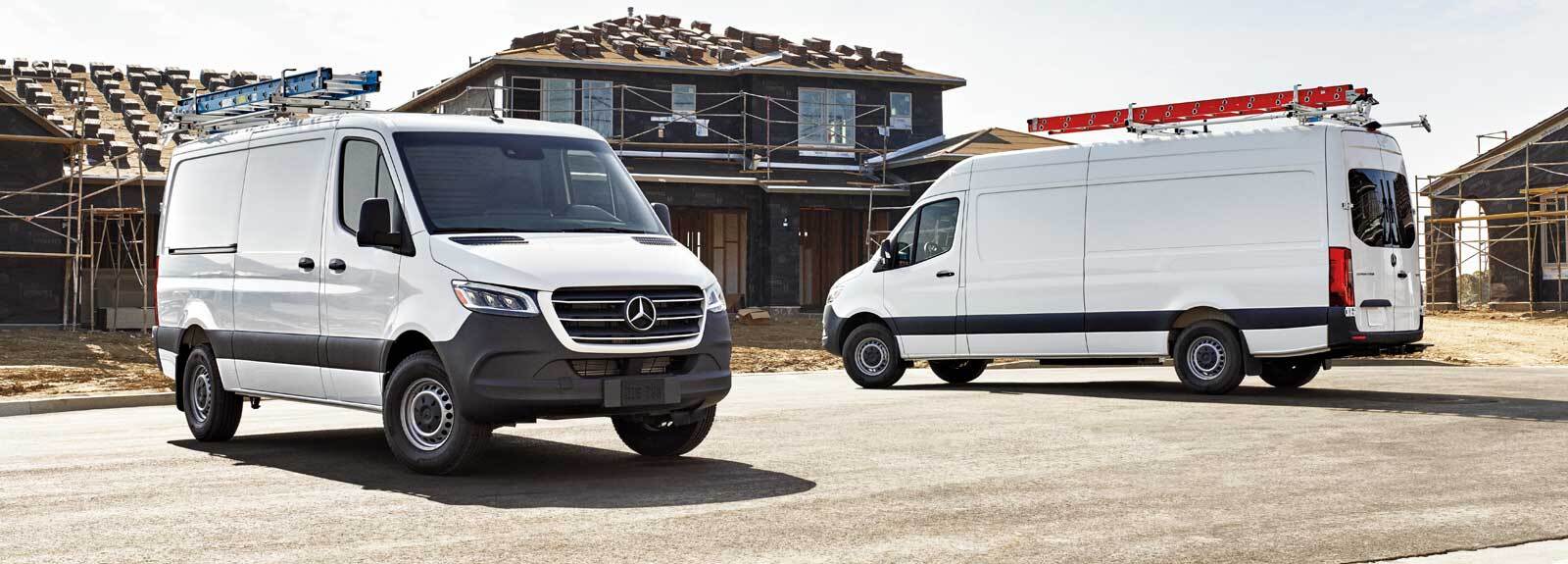
Mercedes-Benz Sprinter
The Mercedes-Benz Sprinter remains one of the strongest options for businesses covering long highway routes or carrying heavier equipment loads over high annual mileage.
Efficiency Win: The turbo-diesel engine delivers strong low-end torque, helping the van maintain fuel economy more effectively under heavier payloads than many gas-powered alternatives.
Trade Reality: Diesel systems perform best under consistent driving conditions. Businesses operating short urban routes or extended idling periods may experience higher maintenance costs tied to diesel emissions systems and particulate filters.
The Sprinter also carries a significantly higher purchase price than most gas-powered alternatives, which is worth factoring in for smaller fleets or owner-operators assessing total cost of ownership.
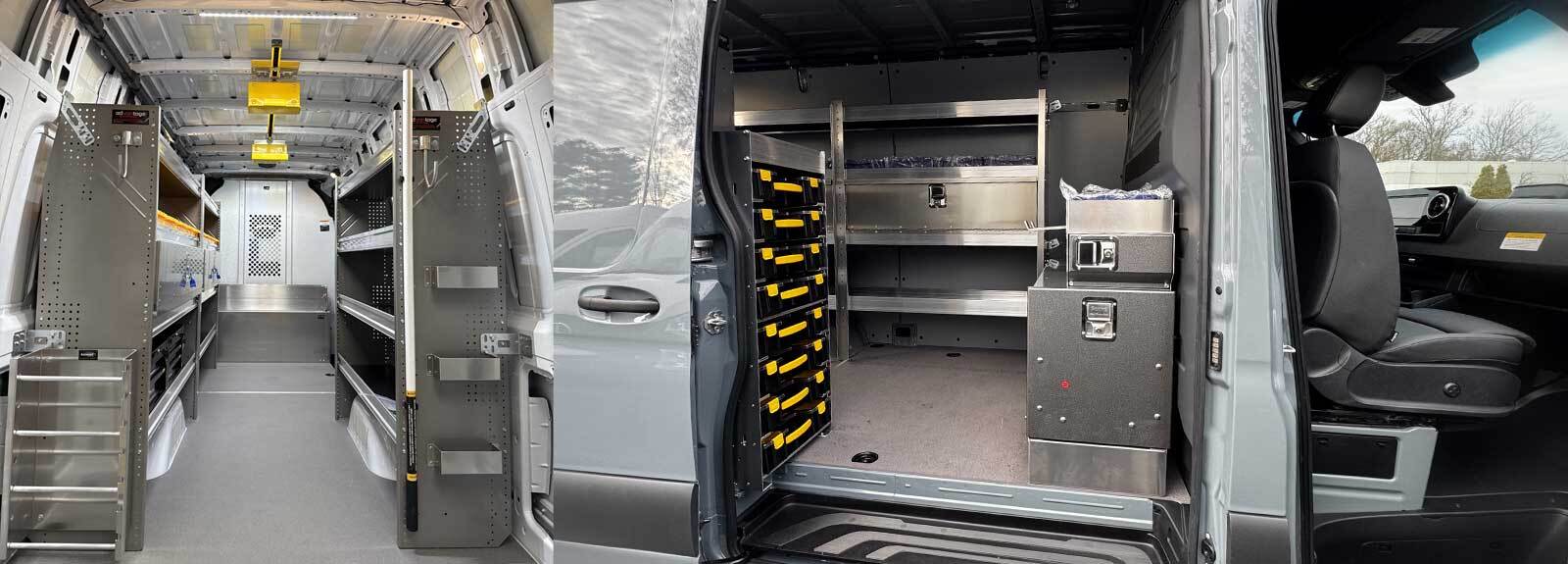
RAM ProMaster
The RAM ProMaster is widely used by contractors and service businesses needing practical cargo access and flexible shelving layouts.
Efficiency Win: Its front-wheel-drive platform and low cargo floor help reduce vehicle weight while making loading and unloading faster during frequent service stops.
Trade Reality: While efficient for urban routes and local service work, front-wheel-drive performance can be less ideal in deep snow, muddy jobsites, or rough terrain under lighter loads.

Ford Transit
The Ford Transit remains one of the most widely adopted cargo vans across trade and commercial fleets because of its flexibility, drivetrain options, and upfit compatibility.
Efficiency Win: The 10-speed transmission helps manage fuel consumption efficiently across highway and mixed driving conditions, while available AWD improves traction without the fuel penalties associated with older truck-based platforms.
Trade Reality: Fuel economy can vary significantly depending on roof height, wheelbase, payload weight, and equipment setup, particularly on heavily upfitted vans.

Chevy Express
The Chevy Express continues to appeal to contractors prioritizing durability, towing capability, and straightforward maintenance over maximum fuel efficiency.
Efficiency Win: The V6 gas engine keeps maintenance simple and repair costs low. Without the diesel emissions systems found on vans like the Sprinter, there are fewer expensive components to service — which can offset some of the fuel cost difference for businesses operating shorter routes or running mixed urban and highway mileage.
Trade Reality: Many fleets still choose the Express because of its proven drivetrain, heavy-duty capability, and long-term reliability under demanding jobsite conditions. For contractors carrying heavier payloads or towing equipment regularly, durability may outweigh fuel economy concerns.
Best compact cargo vans for fuel economy
Compact cargo vans were once some of the most fuel-efficient work vans available for urban businesses and light-duty service fleets.
Models like the Ford Transit Connect and RAM ProMaster City typically delivered around 24–25 MPG, making them popular with electricians, mobile technicians, telecom installers, and local delivery businesses operating frequent stop-start routes.
Their smaller footprint made parking easier in dense urban environments while helping businesses reduce fuel costs compared with larger full-size vans.
Both models were discontinued after 2022, so second-hand stock is now several years old — worth factoring in when considering parts availability, warranty coverage, and overall condition.
The compact van segment is set to change, however. Ram unveiled the 2027 ProMaster City at Work Truck Week in March 2026, marking its return to the small commercial van market after a four-year absence.
Orders are expected to open in the second half of 2026, with vans arriving at dealerships in early 2027 at a starting price under $40,000.
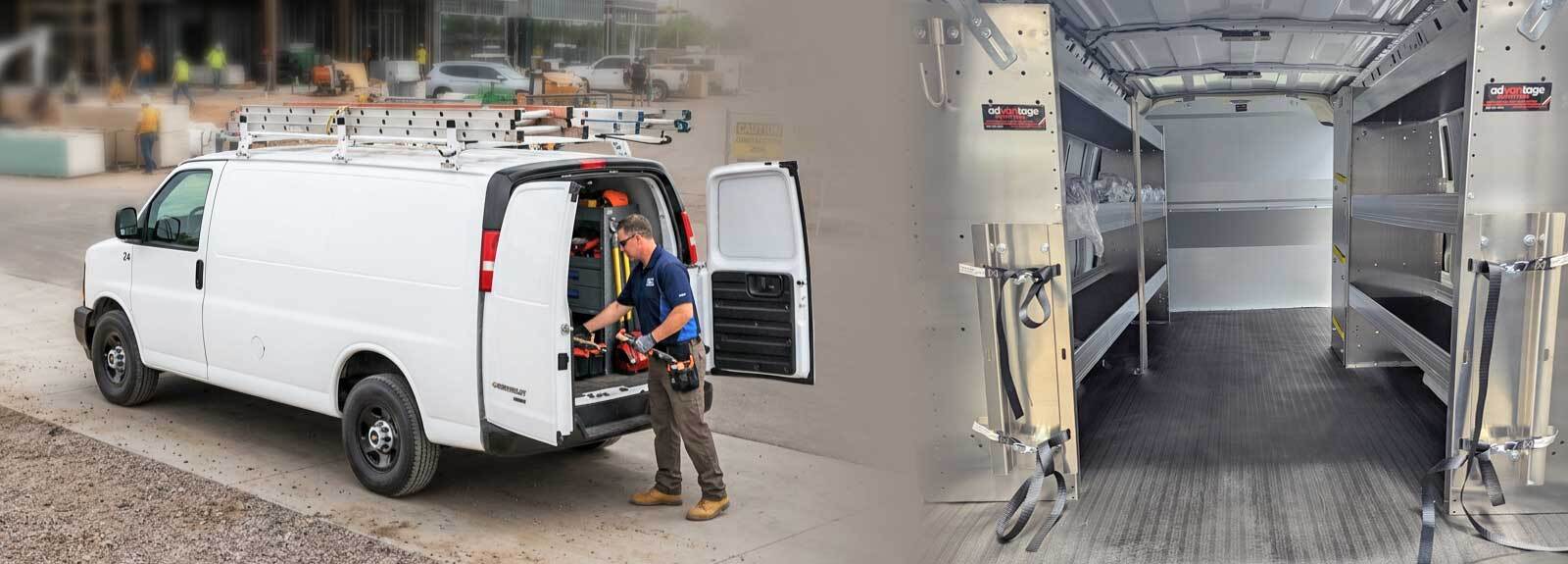
How van setup affects fuel economy
Fuel economy is influenced by more than engine size alone. The way a van is organized, equipped, and upfitted can also affect long-term operating costs.
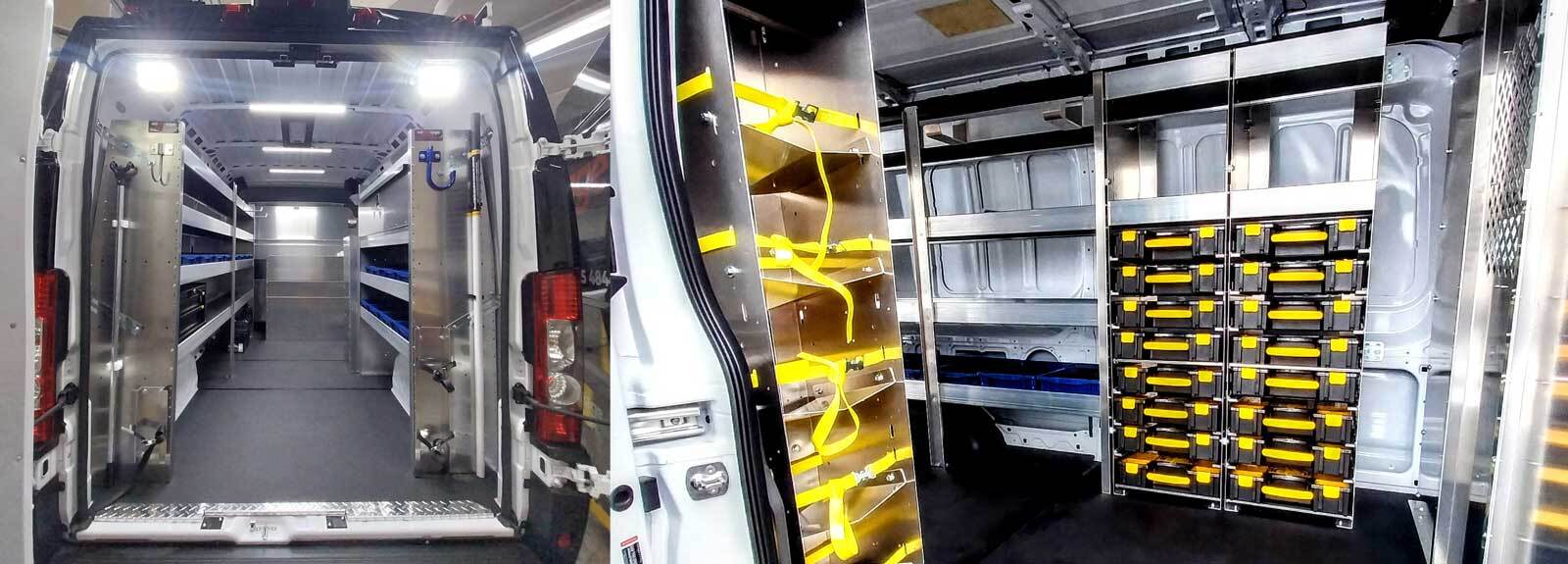
For contractors and service fleets, shelving systems are essential for organization, productivity, and workflow efficiency. But the weight of those systems matters. Traditional steel shelving, roof-mounted equipment, excess inventory, and poorly distributed cargo can all increase fuel consumption over time, particularly across high-mileage fleets and stop-start service routes.
That’s why many businesses are moving toward lighter upfit solutions. Packd aluminum shelving systems can be up to 70% lighter than traditional steel systems and reduce overall van weight by up to 500 lbs, while still supporting up to 250 lbs per shelf for heavy tools, equipment, and daily trade use.
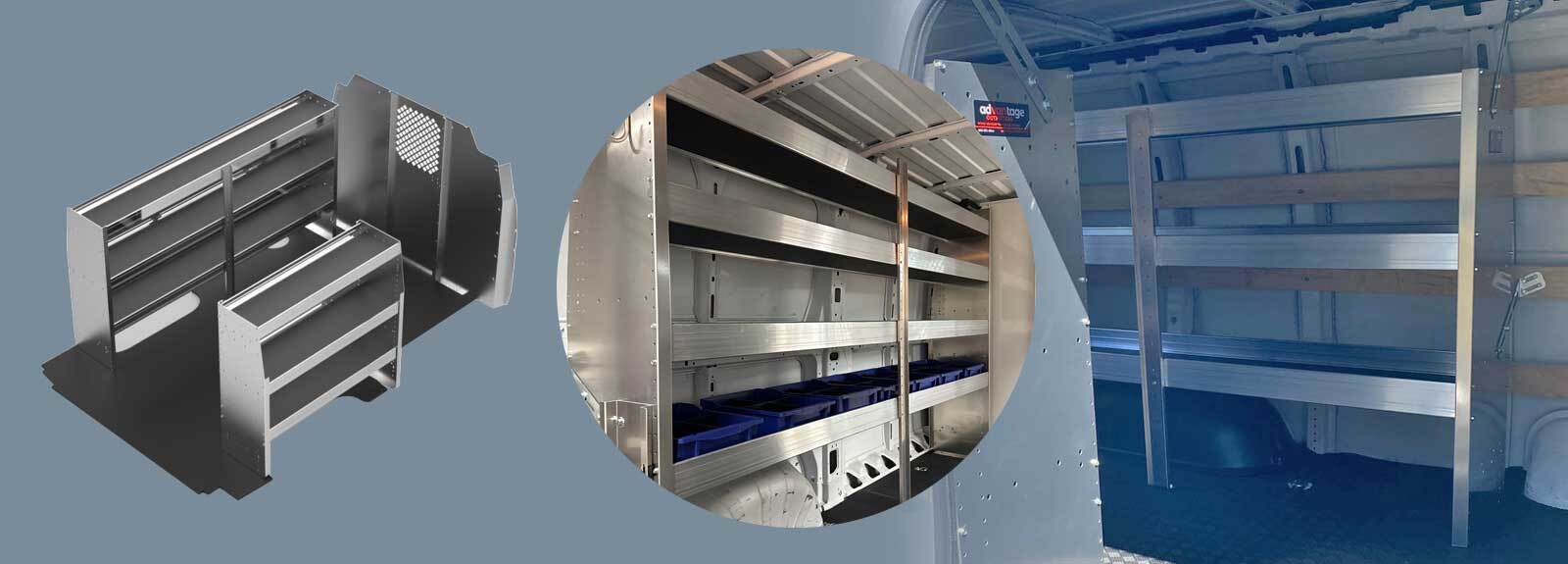
Alongside the right shelving setup, businesses looking to improve cargo van fuel economy should also consider:
- Roof rack usage
- Payload management
- Tire pressure maintenance
- Excessive idling
- Route planning
- Inventory control
- Weight distribution inside the cargo area
Curious about saving fuel with Packd? Read more about why lighter van shelving is a game changer.

Choosing the right cargo van for fuel-efficiency
The most fuel-efficient cargo van is the one that fits the way your business actually operates.
Businesses covering longer highway routes or carrying heavier equipment may benefit from diesel-powered platforms like the Mercedes-Benz Sprinter.
Contractors operating frequent stop-start urban routes often prioritize gas-powered vans with lower maintenance costs and easier cargo access.
Van setup matters too. Payload weight, shelving design, roof-mounted equipment, and daily inventory levels all influence long-term fuel consumption.
For many businesses, improving fuel efficiency is not only about choosing the right van, but also reducing unnecessary vehicle weight through smarter cargo organization and lighter upfit systems.
When comparing cargo vans, focus on:
- Daily mileage
- Highway versus city driving
- Payload requirements
- Storage and shelving needs
- Maintenance costs
- Long-term operating expenses
The bottom line
Choosing the right cargo van comes down to balancing fuel economy, payload capacity, and the way your business operates day to day. The right setup can help reduce operating costs, improve efficiency on the road, and keep your team organized on the job.
Contact the Advantage Outfitters team today to learn more about commercial van shelving and upfit solutions designed to support fuel efficiency, organization, and day-to-day fleet performance.
FAQs
What is the most fuel-efficient cargo van in 2026?
The Mercedes-Benz Sprinter Diesel remains one of the most fuel-efficient cargo vans for businesses covering longer highway routes and carrying heavier payloads. Compact vans like the Ford Transit Connect and RAM ProMaster City can achieve even higher MPG figures, though both models are now discontinued in the U.S. and are mainly available on the second-hand market.
Does van shelving affect fuel economy?
Yes. Shelving systems, roof racks, excess inventory, and permanent upfit weight can all affect fuel consumption over time. Lightweight aluminum shelving systems can help reduce unnecessary vehicle weight while still providing durable storage for tools, equipment, and daily trade use.
What is considered good MPG for a cargo van?
For full-size gas-powered cargo vans, 14–18 MPG is a realistic combined average under typical commercial use. Diesel-powered vans like the Mercedes-Benz Sprinter can achieve higher figures, particularly on consistent highway routes. Compact vans typically deliver more, though both mainstream U.S. models are now discontinued.
Do larger cargo vans always use more fuel?
Not always. Larger cargo vans typically consume more fuel than compact vans, but payload capacity, route type, cargo organization, and vehicle setup all influence real-world efficiency. A properly organized full-size van may still operate more efficiently for businesses carrying heavier tools, equipment, or inventory every day.