Pipe Racks for Vans: How Plumbers Store Pipe, Conduit and Long Materials
7th Sep 2026
A pipe rack for van work is often one of the simplest upgrades a plumber can make, and one of the easiest to overlook. Copper, PVC, and conduit can quickly end up on the van floor, sliding under shelves, blocking the side door, or getting crushed by heavier cargo. That slows down the first stop of the day and makes it harder to keep stock organized.
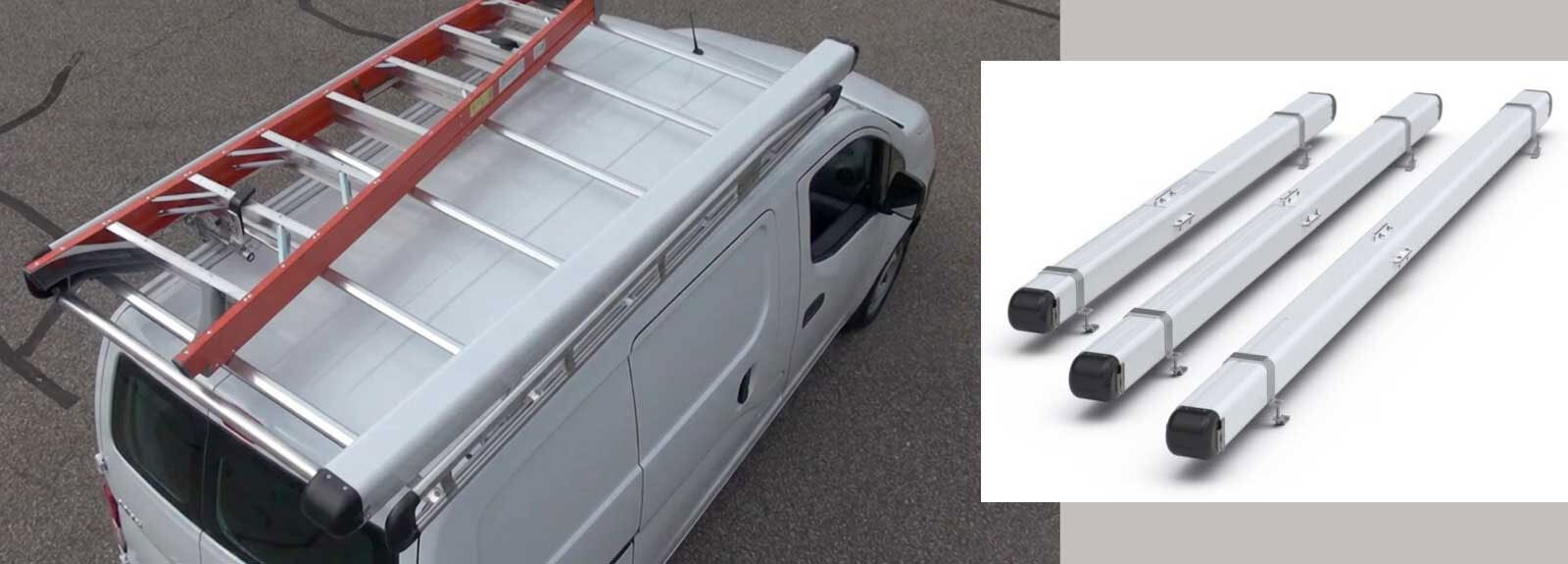
A dedicated pipe rack or conduit carrier keeps long lengths off the floor so the rest of the van can do its job: storing fittings, tools, and parts in a layout that actually works. In this guide, we'll look at how plumbers store pipe and conduit in real-world vans, when a roof rack makes more sense than an interior holder, and how to choose a setup that fits the van you already drive.
If you already have shelving and a partition, a pipe rack may be the missing piece. If you're still planning a full plumbing van upfit, start with storage for everyday fittings, then add a pipe rack so long materials don't compete with the rest of the layout.
Why Pipe and Conduit Need Their Own Place
A typical day for a plumber can mean 10-foot sticks of copper or PVC, a coil of PEX, lengths of conduit for a boiler or water-heater swap, and leftover offcuts that still have value. None of that sits happily on a shelf designed for fittings bins.
Left on the floor, pipes block the aisle, mark up liners, and become a hazard if you brake hard. Stood loosely in a corner, it rolls. Shoved through the side door, it scrapes the frame and slows every stop. A pipe stored against shelving can shift and damage fittings during transit, or fall during a turn or stop.
A pipe rack, roof conduit carrier, or interior pipe holder gives those lengths a repeatable home. Once they're secured, the rest of the plumbing van, drawers, shelving, and partition stays usable.
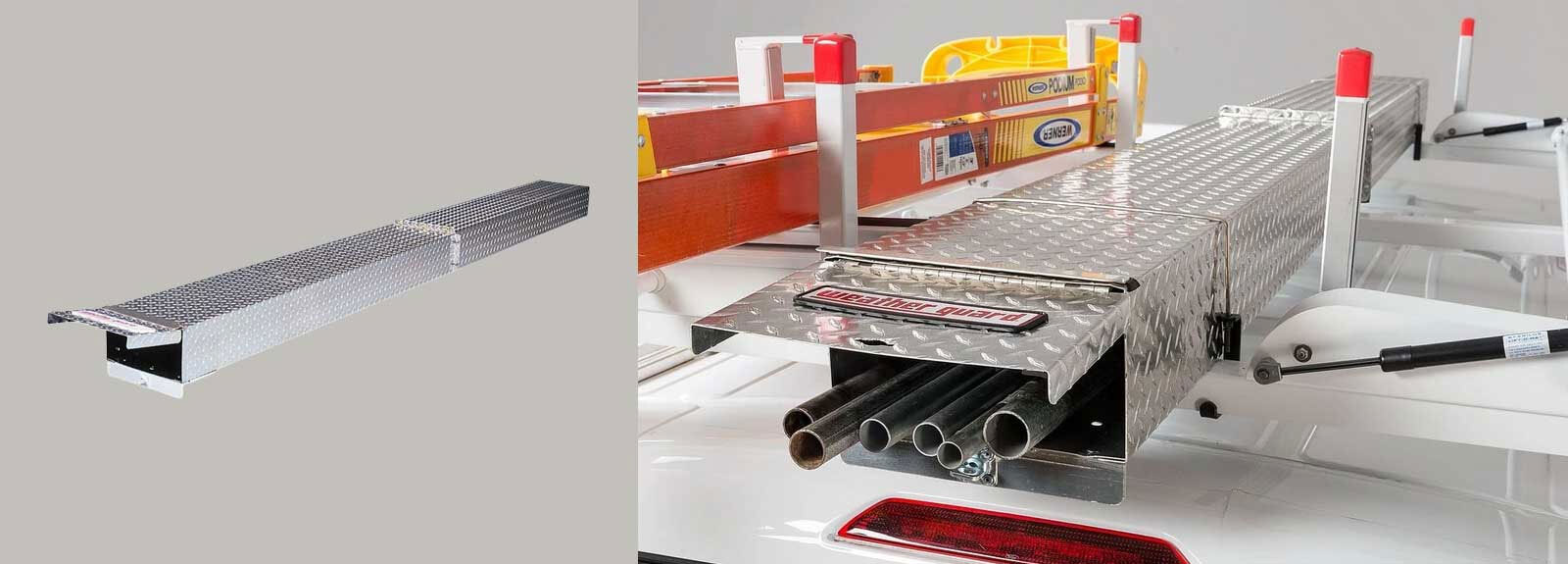
Roof Pipe Rack vs. Conduit Carrier vs. Interior Storage
Most shops end up with one primary method, not all three.
Roof-mounted pipe rack or ladder rack with pipe stops
This keeps long lengths outside the cargo area. It's often the right choice when you regularly carry 8- to 10-foot sticks and still need the full floor for a water heater, a toilet, or a roll of PEX. The trade-off: you're loading and unloading from roof height, and in a high-roof Transit or Sprinter, that takes longer.
If the van already has a ladder rack, make sure the pipe setup works alongside it and doesn't block loading or unloading. An open rack is fast to load if you move materials multiple times a day.
Conduit carrier
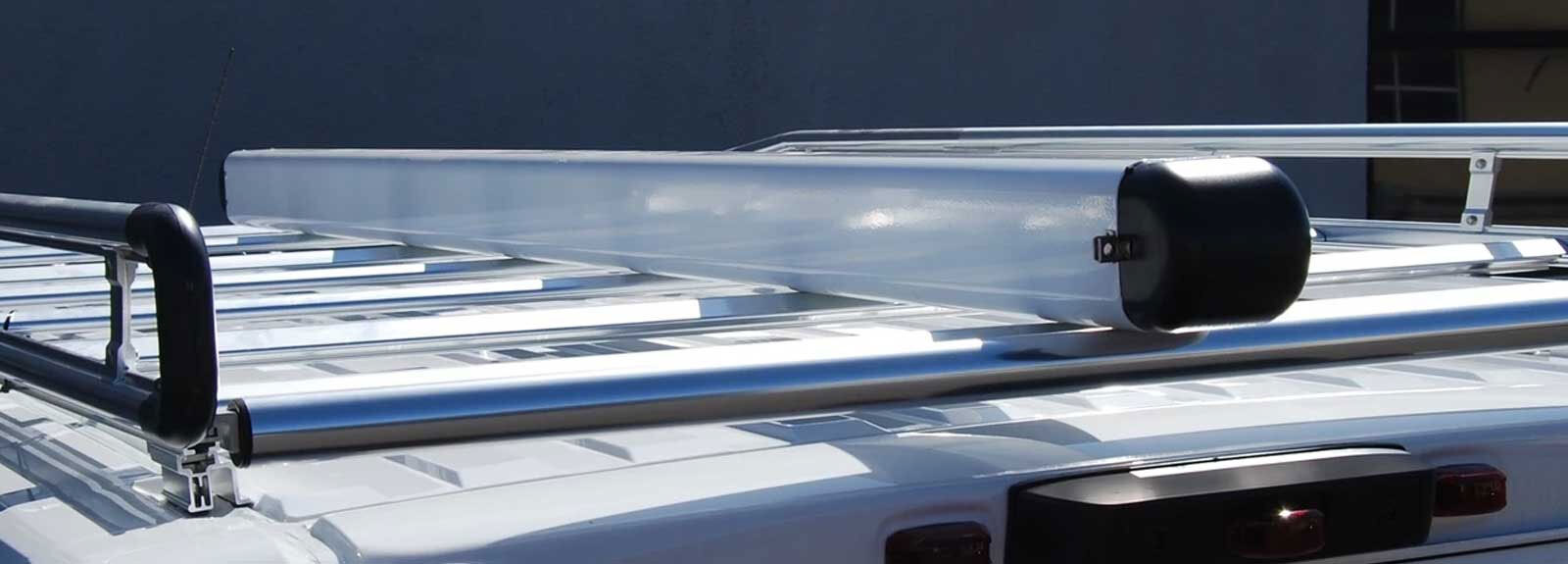
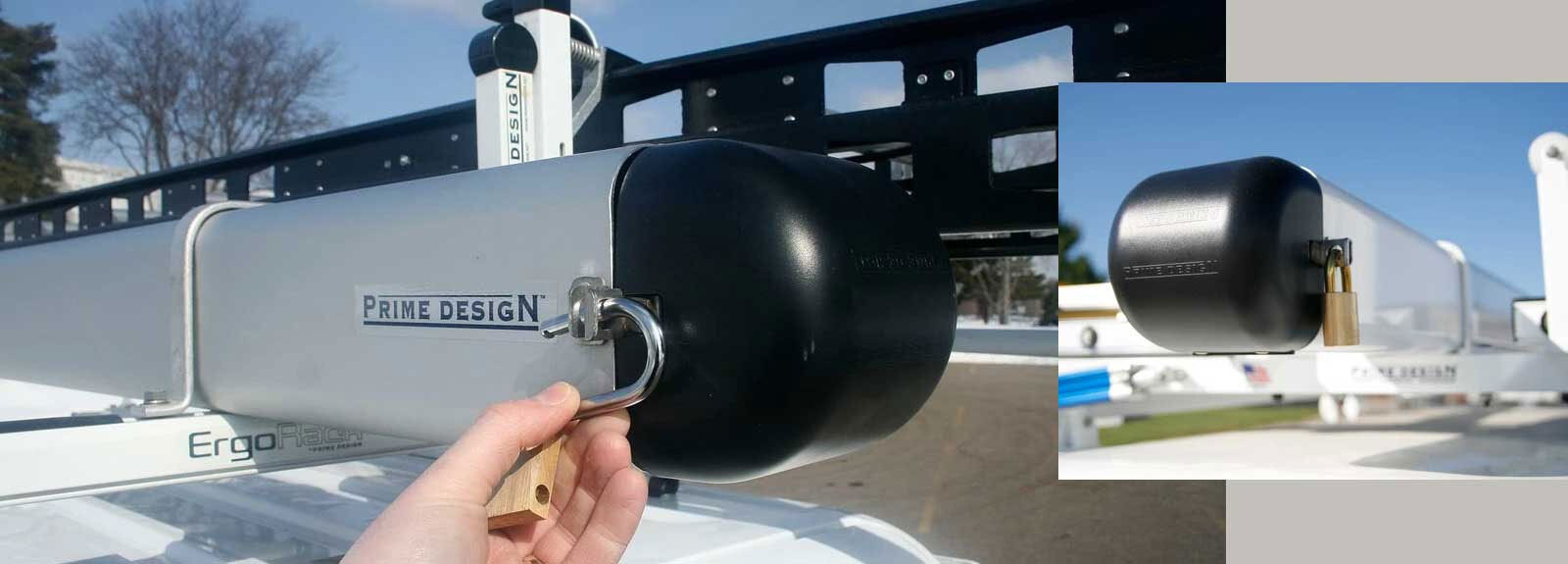
A locked tube on the roof, such as a Prime Design conduit carrier, is the tidier version of the same idea. Pipe or conduit slides into a closed tube, stays better protected from the weather, and is harder to steal.
This suits shops that leave the van on the street and carry enough conduit or copper to care about loss. The downside is that it takes a minute longer to access materials compared to an open rack.
Interior pipe holders or overhead hoops
These keep a smaller number of lengths inside, often above the aisle or along the partition. They work when you only need a few sticks per day and don't want to climb onto the roof at every stop. They work well for the light daily kit most repair plumbers carry, and they work best when you aren't loading full bundles every day.
In short, roof rack for volume, conduit carrier when weather and theft matter, interior holders for a light daily kit.
How to Choose a Pipe Rack for Your Van
Start with the longest material you actually carry, not the longest you might carry once a year. If 10-foot copper is weekly, a roof rack or carrier is often the cleanest fit for that load. If most jobs are repair work with short offcuts and PEX, an interior holder may be enough.
Then look at the roof you already have. High-roof Transits and Sprinters make roof access slower, so a carrier you load from the rear or from ground level is often easier to live with than a flat rack you have to climb. Low-roof vans are easier to reach from the ground and often suit simpler roof storage well.
Theft and weather come next. Open pipe on a ladder rack is fast and visible, which also means it draws attention. A lockable conduit carrier costs more and takes a minute longer to use. For vans parked overnight outside a job site, that trade-off is usually worth it.
Finally, check what else lives on the roof. If the van already has a drop-down ladder rack, confirm the pipe solution does not block the drop path. Most conduit carriers are sold as ladder-rack accessories for a reason: they are meant to work with the rack.
Pipe Storage by Trade
Plumbers
A service plumber who spends the day on repairs can live with a few sticks in an interior holder and a well-sorted fittings wall. A construction plumber running supply lines can fill a roof rack quickly. If you do both, design for the heavier days and accept a bit of extra space on the lighter ones.
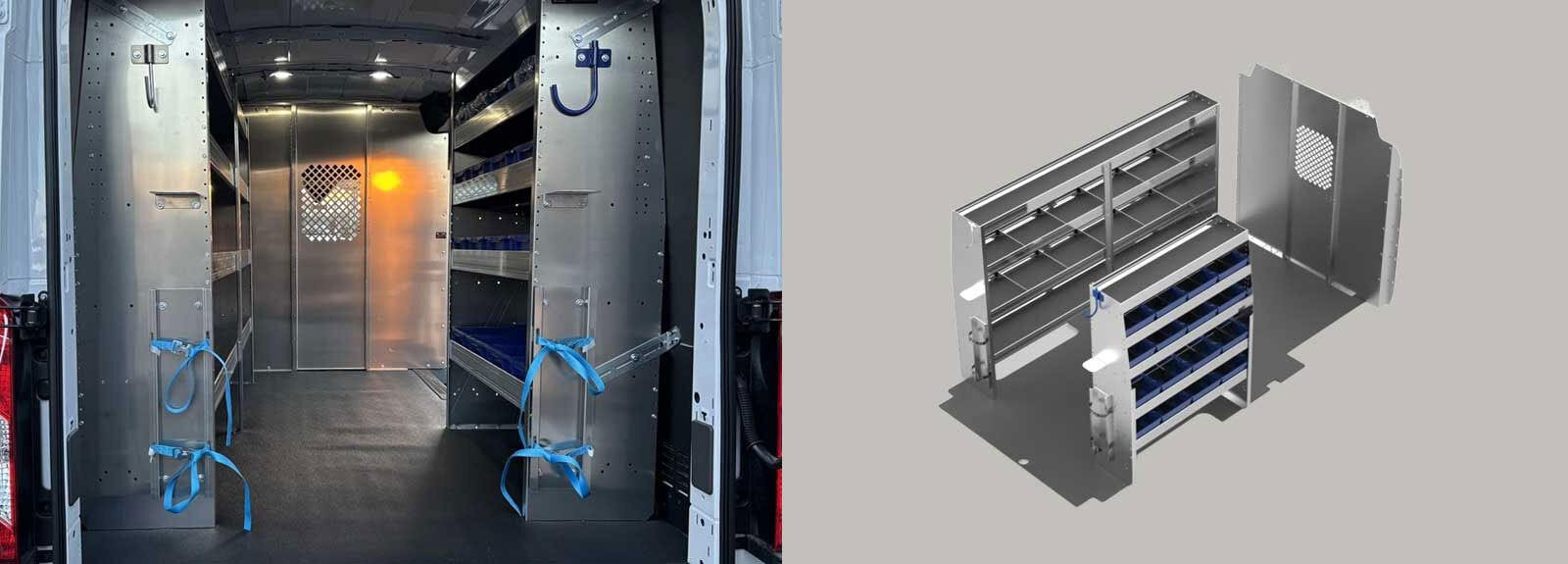
Keep cutters, press jaws, solder, and fittings in drawers or on solid shelving so they're not sharing a shelf with wet pipe. The pipe rack is for lengths. Everything else belongs in the plumbing package layout.
We stock plumbing shelving packages for Transit, ProMaster, Sprinter and more.
Electricians
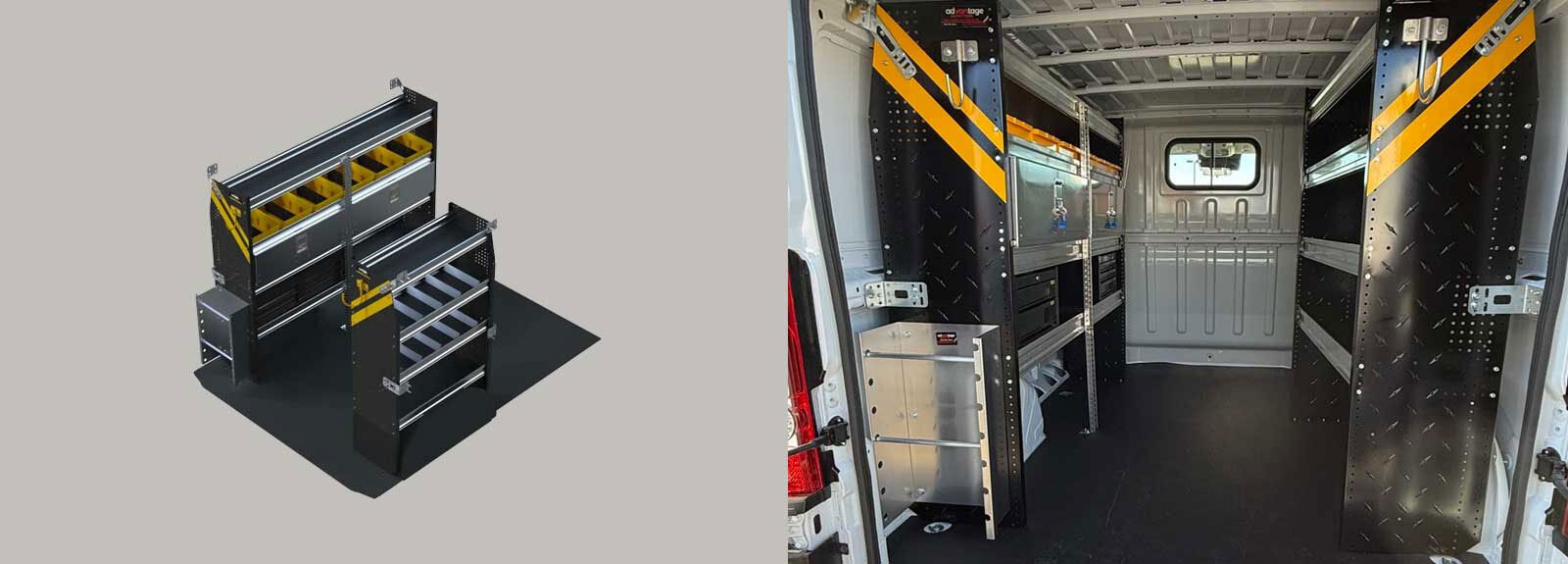
Electricians usually want a conduit carrier more than an open pipe rack. Sticks stay straight, stay dry, and stay out of sight. If the van already has a ladder rack, adding a carrier tube is often a smaller job than rebuilding the interior for long storage. EMT and PVC conduit are usually lighter than copper, which makes roof storage easier to justify for many electrician setups.
If you're an electrician looking for a solution, browse the electrical shelving packages to get started.
How a Pipe Rack Fits With the Rest of a Plumbing Van
A pipe rack doesn't replace van shelving, a partition, or floor liners. It helps keep long materials from wearing out those upfits. Once pipes are on the roof or in a carrier, the aisle stays clear, the partition does its job, and drawers of fittings actually get used.
For a full plumbing van walkthrough, see our guide to upfitting a plumbing work van.
Ready to Add a Pipe Rack?
If pipe and conduit are still living on the floor, start with a roof solution that matches how you load the van. A conduit carrier is a tidier, more secure option if theft or weather is a concern. An open rack is faster if you're on and off the roof multiple times a day.

Shop conduit carriers and ladder racks by van model, or pick a plumbing shelving package if the interior still isn't earning its keep.
If you're unsure which roof setup fits your Transit, ProMaster, or Sprinter, get in touch and share the van and the longest material you carry. We have conduit carriers and ladder racks in stock, ready to ship.
FAQs: Pipe Racks and Conduit Carriers for Vans
What is a pipe rack for a van?
A pipe rack for a van is a roof or interior fitting that holds long materials, copper, PVC, conduit, or similar sticks, so they aren't loose on the floor. Roof racks and lockable conduit carriers are two common setups on work vans. Interior hoops work for smaller daily loads.
Is a conduit carrier better than an open pipe rack?
A conduit carrier is usually the better choice if you care about weather, theft, or keeping sticks straight. An open pipe rack is faster to load when you move large bundles several times a day. Many plumbers use a carrier for copper and an open rack or interior holder for PVC.
Can I put a pipe rack on a van that already has a ladder rack?
Often yes. Conduit carriers are commonly sold as ladder-rack accessories. Check that the carrier does not block drop-down ladder arms and that the roof still has payload left after the rack, ladders, and pipe.
Should plumbers store pipes inside the van instead?
A few sticks can sit in interior hoops or along a partition. Full lengths usually work better on the roof when you also need floor space for water heaters, toilets, or boxed fittings. Interior-only storage can get in the way once the van is a daily service vehicle.
Do I still need shelving if I add a pipe rack?
Yes. A pipe rack stores lengths. Fittings, valves, tools, and consumables still need drawers or solid shelving. The rack makes that interior layout more usable by getting pipes off the floor.
What material should a pipe rack be made from?
Most racks are steel or aluminum. Steel is heavier but very durable. Aluminum is lighter and corrosion-resistant, which matters if you're transporting materials that sweat or if the van sees weather exposure. Both work, choose based on weight tolerance and the materials you typically carry.
How much weight can a typical roof pipe rack hold?
It depends on the rack and the van. Check the rack rating and the van's roof load limit before loading. A full bundle of copper can get heavy fast.
Can I use a conduit carrier for materials other than conduit?
Yes. Conduit carriers work for copper, PVC, aluminum tubing, and similar straight materials. Just confirm the tube diameter fits the carrier opening and that the material will sit securely inside the tube.